Expert Electrical Contractor for Dependable Installations and Repairs
Within the sphere of electrical work, a talented contractor serves a vital role in ensuring both reliable installations and repairs. Their proficiency not only guarantees conformance to safety standards but also fosters a sense of trust with clients. By evaluating important qualities, such as experience and verbal skills, one can identify the right professional for the job. Understanding these factors can greatly impact the success of any electrical project, prompting further examination into the selection process.
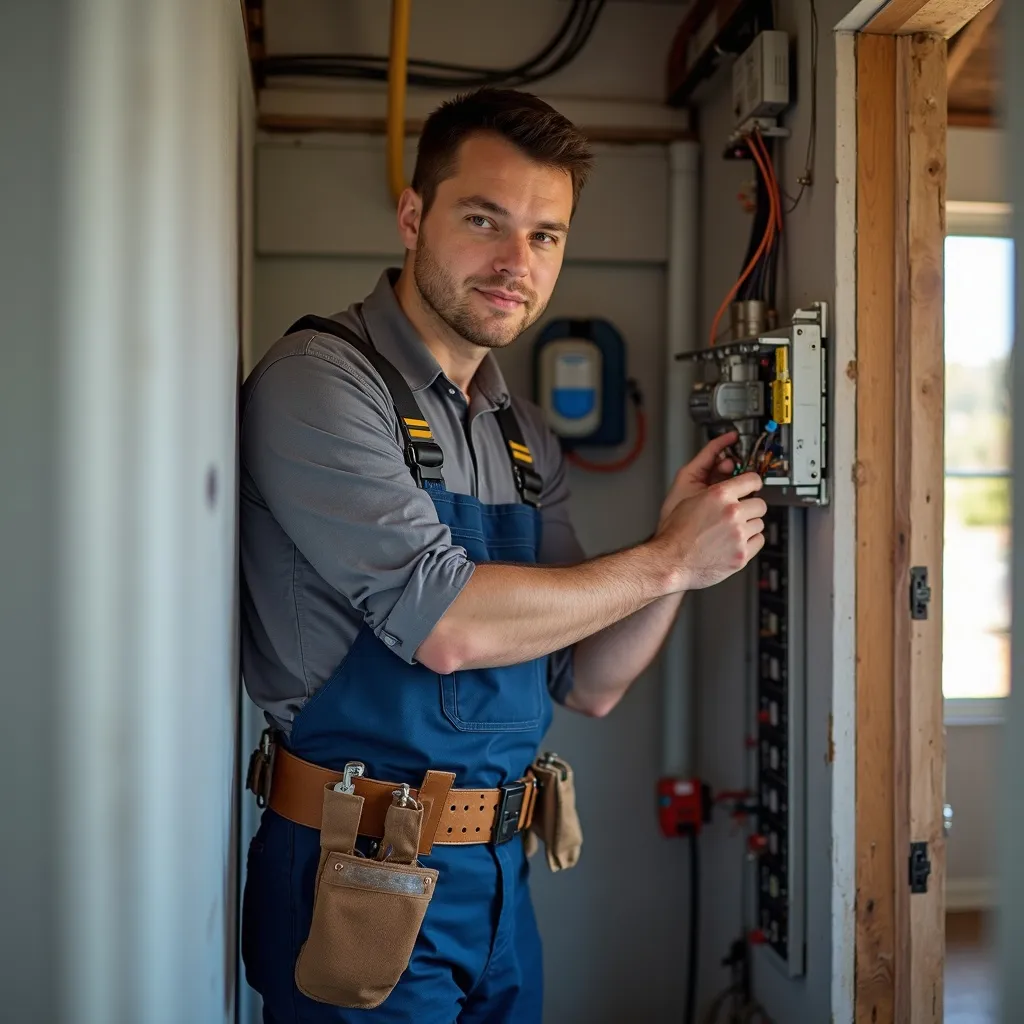
Vital Characteristics of a Trustworthy Electrical Contractor
When choosing an electrical contractor, it is crucial to recognize the important qualities that contribute to trustworthiness. A reliable contractor should possess proper licensing and insurance, guaranteeing compliance with local regulations and safeguarding from potential liabilities. Experience in the field is another significant factor; seasoned contractors are more skilled in managing diverse electrical problems and understanding complex systems.
Additionally, superior communication abilities are necessary, enabling contractors to clarify processes and tackle customer issues plainly. A dependable contractor also exhibits transparency, supplying clear pricing and circumventing concealed charges. Moreover, favorable testimonials and customer recommendations can act as signs of trustworthiness and superior workmanship. Finally, a focus on continuous improvement indicates a contractor's pledge to remaining informed about best practices and cutting-edge solutions, which is fundamental for delivering trustworthy and competent electrical services. These qualities collectively form the foundation of a trustworthy electrical contractor.
How to verify if Your Electrician Is competent?
Validating an electrician's qualifications is an vital step in establishing high standards and safety in electrical projects. Initially, clients should ask to view the electrical contractor's certification, which shows they comply with local and state requirements. Confirming insurance is equally important, as it shields homeowners from liability in the case of mishaps. Besides, looking for certifications from reputable bodies can reveal advanced training and capability.
Property owners can also inquire about the electrician's experience in particular types of electrical work pertaining to their requirements. Checking client feedback and testimonials from past customers provides insights into the electrical professional's reliability and expertise. Furthermore, open discussion can demonstrate the electrician's willingness to discuss their qualifications and approach to the assignment. By following this process, property owners can ensure they employ a qualified electrician capable of delivering safe and effective electrical solutions.
Why Expertise Matters for Electrical Contractors
Experience plays a vital role in the effectiveness of electrical contractors. A proven skill set, adherence to safety compliance standards, and robust problem-solving ability are all indicators of seasoned professionals. These attributes not only enhance the work quality but also ensure a protected environment for clients.
Proven Skill Set
An adept electrical contractor brings a wealth of expertise that substantially impacts the safety and caliber of electrical work. Their proven competency base encompasses an extensive range of competencies, including diagnostics, assembly, and maintenance of electrical systems. Experience allows them to detect issues rapidly and execute effective remedies, curtailing interruptions and upholding peak performance. Moreover, seasoned contractors are familiar with the latest breakthroughs and cutting-edge developments, facilitating them to provide state-of-the-art solutions adapted to specific client needs. Their operational experience also supplies them with the applied expertise vital to skillfully manage complex electrical codes and statutory requirements. At the end of the day, a experienced electrical contractor fortifies the steadiness of repairs and installations, establishing trust and confidence in clients.
Safety Conformance Standards
Understanding the sophisticated domain of safety compliance standards demands a deep understanding and practical knowledge that only experienced electrical contractors possess. These specialists are knowledgeable in local, state, and national regulations, ensuring that all installations and repairs meet the highest safety protocols. Their expertise allows them to anticipate potential hazards and apply preventative measures effectively. Moreover, knowledge of industry standards, such as the National Electrical Code (NEC), is vital for maintaining compliance and safeguarding lives. A adept electrical contractor not only emphasizes safety but also performs thorough inspections to identify any discrepancies. This dedication to compliance not only decreases risks but also improves the longevity and reliability of electrical systems, ultimately benefiting clients and the broader community.
Problem-Solving Proficiency
Maneuvering intricate electrical issues demands acute problem-solving ability, which seasoned electrical contractors bring to the table. Their extensive experience equips them with the ability to diagnose problems quickly and implement effective solutions, minimizing downtime and ensuring safety. Unlike less experienced contractors, they have encountered a variety of scenarios, allowing them to anticipate likely challenges before they arise. This foresight translates into smooth project execution and decreased costs for clients. Additionally, their familiarity with different systems and technologies enables them to adapt to changing industry standards effectively. Ultimately, the problem-solving capabilities of trained electrical contractors not only enhance the quality of installations and repairs but also foster trust and reliability in their services. Experience is, indeed, an invaluable advantage in this field.
Why Direct Pricing Is Necessary
Why is transparent pricing essential in the electrical contracting industry? Clear pricing creates credibility between contractors and clients, ensuring clarity in budget projections. When clients get thorough proposals that detail labor, materials, and likely supplementary costs, they can decide intelligently without the concern of undisclosed fees. This candor promotes a favorable connection and promotes repeat business.
Additionally, open costs allows customers to assess services successfully, allowing them to pick professionals who deliver fair and honest pricing. It minimizes miscommunications and disputes, expediting the project timeline. A reputable electrical contractor who embraces transparent pricing exhibits competence and integrity, emphasizing their commitment to quality service. Ultimately, transparency in rates not only enhances customer satisfaction but also lends to a contractor's image in a tough market, leading to long-term success.
Things to Look For Throughout the Electrical Contract Procedure
During the electrical contracting process, clients can expect a structured approach that begins with an first meeting. This meeting enables the contractor to evaluate requirements and discuss potential solutions. Following this, the installation and repair steps are completed with attention to detail and safety standards.
Preliminary Consultation Process
What can one anticipate when initiating the electrical contracting process? The first meeting serves as a vital step for both the client and the contractor. During this meeting, the contractor discusses the client's requirements, objectives, and any specific requirements for the project. They will evaluate the site, noting potential obstacles and opportunities. Clients should be prepared to pose questions about schedules, expenses, and the contractor's qualifications. The contractor typically offers insights into the latest innovations and solutions that align with the client's vision. This stage often involves detailed discussions about adherence with local regulations and safety standards. Ultimately, the initial consultation lays the groundwork for a clear working relationship, making sure both parties are on the same page before proceeding.
Installation and Maintenance Steps
Once the initial consultation is complete, the installation and repair process starts off with a thorough assessment of the project needs. The electrical contractor evaluates existing systems, identifies potential issues, and draws up a plan that outlines necessary materials and timelines. Following this assessment, the contractor secures any required permits and licenses to ensure compliance with local regulations.
Next, the maintenance or installation work is executed, which may involve electrical connections, fixture installation, or technological improvements. Throughout the process, the contractor maintains open communication with the client to handle any concerns. After conclusion, a ultimate assessment establishes that everything meets safety standards and functions correctly. The contractor provides guidance on maintenance and operation, assuring the client feels confident in their electrical system.
Creating Credibility With Your Electrical Contractor
Creating trust with an electrical contractor is important full article for obtaining a favorable project outcome. This relationship encourages open communication, allowing clients to state their requirements and issues while contractors supply expert advice and honest pricing. A contractor's reputation plays an essential role; confirmed qualifications, good reviews, and past project references can greatly influence a client's assurance.
Furthermore, setting clear expectations concerning timelines, costs, and responsibilities helps to establish a basis of reliability. Consistent communications throughout the project can strengthen confidence, as clients feel informed and involved.
In addition, a reliable contractor will be transparent about potential challenges and solutions, displaying integrity and professionalism. Ultimately, building trust not only results in better collaboration but also confirms that the electrical work is completed to the highest requirements, securing safety and satisfaction for all parties involved.
Frequently Posed Inquiries
What Types of Electrical Services Do Contractors Typically Provide?
Electrical contractors typically offer services including wiring installations, circuit repairs, light design, panel improvements, troubleshooting, and upkeep. They also handle safety checks, energy audits, and can assist with renewable energy system installations, ensuring adherence to regulatory standards.
How Should I Ready Myself for an Electrician's Appointment?
To prepare for an electrician appointment, one should remove clutter from the workspace, guarantee convenient access to outlets and panels, gather relevant documents, and list particular concerns or inquiries to go over during the appointment.
What Safety Practices Do Electrical Contractors Maintain?
Electrical contractors adhere to rigorous safety protocols, such as wearing personal protective equipment, ensuring proper tool usage, following electrical codes, conducting risk assessments, maintaining equipment, and implementing lockout/tagout procedures to prevent accidental energization during work.
Do Electrical Contractors Protected by Insurance and Bonds?
Yes, electrical contractors are generally covered and bonded. This guarantees protection against liabilities and damages during projects, providing clients with confidence and protecting both parties involved in the contractual agreement.
What Should I Do During Electrical Emergencies?
In power crises, one should quickly shut down the power, stay away from water, and contact a qualified electrician. Staying calm and maintaining your safety is crucial before professional assistance comes to address the issue.